The Golden Rule

When I read the current events of our world, I often feel overwhelmed by the challenges facing us as a global community. As an early childhood educator, I wonder, “what if our world leaders were required to return to kindergarten and learn the empathy basics, like The Golden Rule?” I don’t mean to simplify politics and struggles that run deep in history, but what if… Today I celebrate a timeless world classic about one simple rule.

Regional focus:  The Whole Wide World

Author:  Ilene Cooper

Illustrator: Gabi Swiatkowska

Genre:  Children’s literature

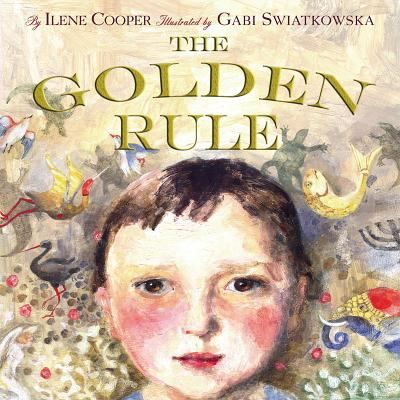
This book is a gentle reminder of a timeless rule for parent and child, Do unto others as you would have them do unto you.  Everyone knows a version of the Golden Rule. But what does it really mean? And how do you follow it? In this simple yet profound book, a grandfather explains to his grandson that the Golden Rule means you “treat people the way you would like to be treated. It’s golden because it’s so valuable, and a way of living your life that’s so simple, it shines.” Though it may be a simple rule, it isn’t easy to follow. Fortunately, following the Golden Rule is something everyone can do, which means that every person-old or young, rich or poor-can be a part of making the world a better place.

What I love:

  • The book has gorgeous and intriguing illustrations.
  • The book uses child appropriate language and stories to explore a challenging theme.
  • The story is a useful teaching tool for teachers with diverse student groups.
  • The Golden Rule can be used as a powerful introduction to exploring delicate current world events.

Themes: values, world culture, compassion, empathy

Discussion:

  • In your own words, describe the golden rule.
  • Have you recently practiced the golden rule? When? Why?
  • Have you recently seen an adult practicing the golden role? Who? When?  Why?

Connections:

  • Make a collage using recycled newspapers and magazines of people practicing the golden rule.
  • Ask adult friends to share world stories from history of people practicing the golden rule.
  • Create a play/theater of characters practicing the golden rule.
 

Ganesha’s Sweet Tooth

Regional focus:  India

Author:  Sanjey Patel and Emily Haynes

Genre:  Children’s literature

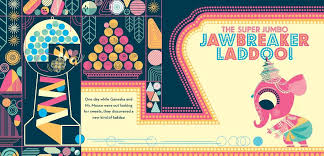
In Sanjey Patel and Emily Haynes’ playful story, meet young Ganesha, a mythological character from the Mahabharata, the epic poem of Hindu literature. Ganesha is just like any other child, with the exception that he has the head of the elephant and his best friend is a tiny magical mouse. He has a soft spot for sweet treats. In this comical tale, we learn that Ganesha breaks a tusk on a surprisingly hard jawbreaker candy. With an unexpected twist of fate, we discover how his broken tusk eventually plays a very important role in Hindu history.

What I love:

  • Patel’s ilustrations are colorful, whimsical and inviting.
  • The story is hilarious.
  • What’s not to love about candy!

Themes: friendship, resourcefulness, mythology

Discussion:

  • What are your favorite sweets?
  • Have you ever felt sad about loosing something that was important to you? How did you eventually feel better?
  • What mythological characters exist in your culture? What do they represent?

Connections:

  • Create a mythological character with the head of an animal and a body of a person. What is this new character’s favorite food? What is his/her “claim to fame”?
  • Ask an elder to share a story about a mythical character that he/she learned about as a child.
  • Investigate the stories of other deities/mythical characters from the Hindu culture/religion.
  • Check out additional activities at: www.chroniclebooks.com/landing-pages/pdfs/Ganesha_activities_r2.pdf

images-1


Handa’s Surprise

Regional focus:  Kenya

Author:  Eileen Browne

Genre:  Children’s literature

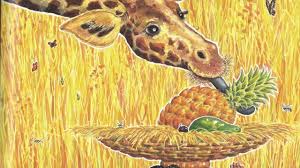
Take a trip to young Handa’s Kenya where you will learn of the fruits, animals and terrain of her village in Eileen Browne’s playful story, Handa’s Surprise. Handa plans to surprise her best friend, Akeyo with a basket of fruit and wonders what fruit she will most like. Little does she know that the true surprise is on her.

What I love:

  • Browne’s illustrations are lush and vibrant.
  • Children are engaged with the element of surprise that is woven into the text.

Themes:  friendship, kindness

Discussion:

  • What acts of kindness have you delivered to your friends?
  • How do we know that someone is a good friend?
  • What fruits are grown in your region of the world?
  • What animals do you see when you walk in your neighborhood?

Connections:

  • Rewrite the story as “Child’s Name” Surprise. Use fruits and vegetables  that are found in his/her life.
  • Investigate a new fruit or animal from Handa’s Surprise.
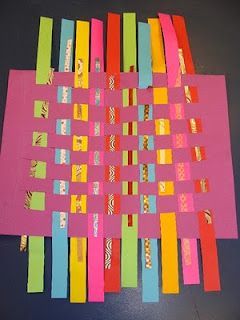
  • Young children can  create a paper weaving  like Handa’s basket and practice over/under patterns.

a04d0878c4d7e8eff2183e28707658b5